

⏱️Reading time: 4 minutes
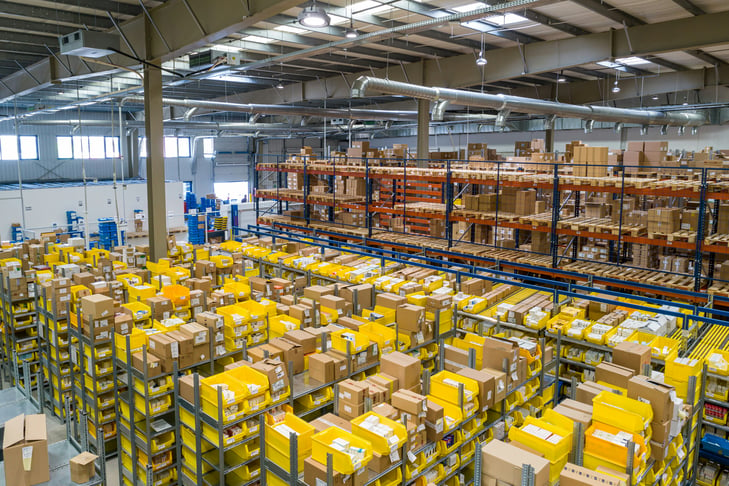
As e-commerce businesses grow, warehouse efficiency becomes just as important as marketing and sales. Increased order volumes, expanding product catalogs and higher customer expectations can quickly overwhelm your storage system that once worked well. Without an optimized warehouse, businesses risk slower fulfillment times, inventory inaccuracies and higher operating costs.
1. Evaluate Your Current Storage Layout
The first step in optimizing warehouse storage is assessing how your current space is being used. Identify areas where inventory piles up or aisles become congested. Understanding these inefficiencies helps determine where improvements will have the greatest impact.
For many growing e-commerce businesses, this evaluation becomes critical when operating within a small warehouse. While the size may seem sufficient at first, it becomes a constraint as inventory expands, making inefficient layouts feel smaller, increasing congestion and limiting how effectively space can be used.
2. Organize Inventory Strategically
A well-organized warehouse improves both efficiency and accuracy by making it easier for employees to locate and restock products. Group similar items together, assign consistent storage locations and clearly label shelves to create a standardized system. This reduces picking errors and shortens search times.
Regularly review your inventory organization to ensure it reflects current sales trends and product demand. As your catalog grows, reorganizing storage zones can help maintain efficient workflows and prevent overcrowding.
Many businesses would benefit from ABC inventory analysis, which classifies products based on how frequently they are picked. Your fast-moving items are stored closest to packing stations for quick access, while slower-selling inventory is placed in less accessible locations. This approach reduces travel time, increases productivity and maximizes the use of valuable warehouse space.
3. Maximize Vertical Storage Space
Many growing e-commerce businesses focus only on floor space while overlooking valuable vertical storage capacity. Installing taller shelving, pallet racks or mezzanine systems allows warehouses to store more inventory without increasing their footprint. In fact, mezzanines offer vertical space that can double the usable area without major construction.
Vertical storage also helps you organize inventory more effectively by separating products into designated zones. However, it is important to ensure employees have safe access to higher storage areas through appropriate equipment and training.
4. Invest in Scalable Storage Solutions
As e-commerce operations expand, storage needs continue to evolve. For example, Amazon Prime Day draws millions of shoppers each year. This can drive significant spikes in online orders, creating additional pressure on warehouse operations. Without adequate storage capacity and efficient workflows, these seasonal surges can lead to fulfillment delays, inventory bottlenecks and operational disruptions.
As such, investing in modular shelving, adjustable racking systems and flexible storage equipment allows you to adapt to changing inventory sizes, new product lines and seasonal fluctuations, without major disruptions.
Scalable storage solutions make it easier to reconfigure warehouse layouts as demand changes, eliminating the need to replace entire storage systems. This flexibility helps maximize available space and accommodate future growth more cost-effectively.
5. Use Warehouse Management Technology
A Warehouse Management System (WMS) provides real-time inventory tracking and guides you through the most efficient picking and replenishment routes. This leads to improved inventory accuracy, shorter cycle times, lower operational costs and greater responsiveness to market demands.
Additional technologies such as barcode scanners, RFID systems and automated inventory tracking further minimize manual data entry and reduce the risk of human error, while improving overall operational efficiency. Additionally, businesses selling across multiple channels can benefit from multichannel e-commerce management platforms like Centric Shoppingfeed, which centralize product listings, orders and sales channels into a single unified system.
6. Plan for Future Growth
Warehouse optimization should support not only today's operations but also tomorrow's expansion. Businesses should regularly review storage capacity, inventory trends and fulfillment performance to anticipate future needs before they become operational challenges.
Set Your Warehouse Up for Long-Term Success
An optimized warehouse is a key driver of e-commerce success. Businesses should evaluate storage layouts, maximize vertical space, organize inventory strategically, invest in scalable solutions, adopt warehouse management technology and continuously refine workflows, so they can improve efficiency while preparing for future growth.
As e-commerce continues to evolve, businesses that prioritize smart warehouse storage will be better positioned to fulfill orders quickly, control operating costs and deliver the reliable customer experience that drives long-term success.


-1.png?width=560&height=290&name=Template%20Hubspot%20-%20Img%20(48)-1.png)

.png?width=560&height=290&name=Template%20Hubspot%20-%20Img%20(66).png)