

Today, the e-commerce businesses that find success pour effort and thought into every single decision. One of the most significant operational considerations is where to sell.
Choosing the right selling strategy and location shapes how consumers find you, how much control you have over pricing and how much of the relationship you actually own. Direct-to-consumer (DTC) and marketplace selling each solve different problems, and neither is inherently better. The right choice for your business depends on your goals and stage of growth.
What Is the Difference Between Direct-to-Consumer and Marketplace?
DTC e-commerce refers to selling products through your own online store rather than on a third-party marketplace. This means operating a branded website where you fully control how products are presented and priced. There is no one to compete with on the website — you own 100% of the market. DTC also entails owning all the customer data, being in charge of communication and formulating the post-purchase experience.
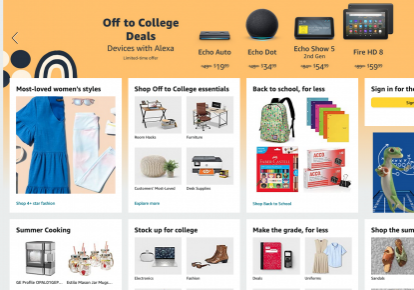
Marketplace selling is when sellers list products on established platforms, which already have access to a wide customer base. These platforms handle much of the traffic growth and branding. Marketplace selling eliminates the friction of getting products in front of buyers. Sometimes the platforms even handle logistics, making them especially convenient places for new sellers to operate.
With 23% of retail purchases expected to take place online by 2027, e-commerce businesses must understand the strategy that works best for them to capitalize on the ever-growing trend of online shopping.
Pros and Cons of Direct-to-Consumer E-Commerce
Selling DTC gives brands complete control over how they present themselves and how customers navigate the buying journey. Everything from pricing and messaging to checking out and even the post-purchase communication is on your own terms.
Personalization is another significant advantage of DTC e-commerce. In a recent survey, 64% of respondents said they prefer to buy from companies that tailor the experience to their needs, making the ability to personalize a huge plus. However, building a platform from the ground up can be an arduous task, especially for people just starting.
Pros of DTC E-Commerce
- Full control over branding, pricing and user experience
- Direct access to customer data that supports personalization
- Stronger potential for repeat purchases and loyalty
- Higher long-term margins if the business can get over initial traffic acquisition bumps
Cons of DTC E-Commerce
- Entirely brand-dependent traffic
- Higher investment up front in marketing and tech
- Customer support and returns that require internal resources
What Is DTC E-Commerce Best For?
DTC works best for brands focused on differentiation and long-term brand equity. Businesses must be willing to invest early to build their own audience and infrastructure. When DTC succeeds, it means more repeat customers in the long run compared to marketplace selling. Having access to customer data is also a huge advantage in understanding what drives response.
Pros and Cons of Marketplace E-Commerce
Marketplaces flip the equation by offering immediate access to shoppers who are already in buying mode, instead of having to convince customers to visit a stand-alone site. Sellers are plugging into platforms where demand already exists. However, the ease of access to customers comes with competition from other sellers. Pricing and branding have to be done in relation to competitors, which can be restrictive to entrepreneurs who like to do things on their own terms.
Pros of Marketplace E-Commerce
- Built-in traffic from shoppers actively searching to buy
- Faster time to market with minimal technical setup
- Platform-managed trust signals like reviews and buyer protection
- Easier logistics and payments
Cons of Marketplace E-Commerce
- Platform fees that reduce profit margins
- Limited control over branding and customer experience
- Intense competition with similar products listed side by side
- Customer relationships that belong to the platform, not the seller
What Is Marketplace E-Commerce Best For?
Marketplace selling is best suited for businesses that prioritize speed or high-volume sales, especially when brand ownership and customer data are not yet top priorities. The barrier to entry is low, and it does not require too much up front investment compared to DTC, making it a great starting point for newer businesses.
Which One is the Right Strategy for Your E-Commerce Business?
Choosing between DTC and marketplace selling depends on business priorities, rather than what is trendy. Businesses focused on brand equity, long-term customer value and differentiation often lean toward DTC. Those prioritizing rapid sales, market testing or operational simplicity may benefit more from marketplaces.
Many successful e-commerce businesses use both. Marketplaces can drive early revenue and visibility, while DTC channels build deeper relationships over time. The key is aligning each channel with a clear purpose, rather than expecting one model to do everything.